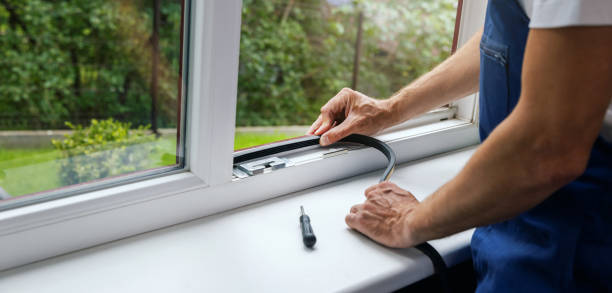
When it comes to replacing the windows in your home, understanding the different types available and selecting the right option is essential. Each window style offers unique benefits, and knowing how they align with your needs will help you make an informed decision. Below, we’ll explore popular types of replacement windows and key factors to consider when choosing the best fit for your home.
Common Types of Replacement Windows
- Features two operable sashes that move vertically.
- Easy to clean, especially if they tilt inward.
-
Provide excellent ventilation options as both the top and bottom sashes can open.
- Hinged on one side and open outward using a crank mechanism.
- Offer unobstructed views and superior airflow.
-
Ideal for areas requiring maximum ventilation, like kitchens or bathrooms.
- Open horizontally by sliding one pane over another.
- Simple design with minimal mechanical parts, making them durable.
-
Great for wide openings or modern architectural designs.
- Fixed windows that do not open.
- Maximize natural light and provide expansive views of the outdoors.
-
Suitable for spaces where ventilation isn’t a priority.
- Extend outward from a room, creating additional interior space.
- Often used as a focal point due to their aesthetic appeal.
-
Allow for more light and panoramic views while enhancing home value.
- Hinged at the top and open outward from the bottom.
-
Useful in areas prone to rain since they can remain open without letting water inside.
- Designed in unique shapes like circles or arches to fit unconventional spaces or add character.
Factors to Consider When Choosing Replacement Windows
-
Energy Efficiency: Look for windows with high energy performance ratings, such as those certified by ENERGY STAR®. Features like double- or triple-pane glass, low-E coatings, and gas fills (argon or krypton) enhance insulation.
-
Climate Adaptability: Match window features to your climate needs:
- In colder climates: Prioritize thermal insulation features like multi-pane glass.
-
In warmer areas: Focus on UV protection through low-E coatings.
-
Aesthetic Design: Choose windows that complement your home’s architectural style:
- Traditional homes often pair well with double-hung or bay windows.
-
Modern homes benefit from sleek casement or slider styles.
-
Ventilation Needs: If fresh air circulation is important (e.g., kitchens/bathrooms), opt for operable styles like casement or awning windows over fixed ones like picture windows.
Additional Tips
- Consult a professional contractor who can assess structural compatibility for different window styles in your home environment.
- Request samples of frame materials and glass options before making decisions about aesthetics or performance upgrades.
- Don’t overlook security features such as locking mechanisms when choosing replacement options.
By understanding these factors and exploring popular window types thoroughly, you’ll be better equipped to select replacement windows that enhance both functionality and style in your living space while meeting practical needs such as energy efficiency.
Enhance Natural Light and Stunning Views with New Windows Rockville, MD
Picture windows are a popular choice for homeowners seeking to enhance their living spaces. These large, fixed-pane windows do not open but provide uninterrupted views and allow ample natural light to enter the home. Below, we explore how picture windows can transform your space and offer tips for making the most of these beautiful window installations.
Exploring the Benefits of Picture Window Installation Rockville, MD
-
Increased Natural Light:
Picture windows are designed with expansive glass panes, maximizing natural light exposure. This can help brighten up darker rooms, reduce reliance on artificial lighting during the day, and create an inviting atmosphere. -
Enhanced Views:
Because they lack obstructions like muntins or sashes, picture windows provide a clear and panoramic view of your outdoor surroundings. Whether overlooking a garden, cityscape, or mountainside, these windows bring the beauty of nature inside. -
Energy Efficiency:
Modern picture windows often come with energy-efficient glass options such as Low-E coatings and double-pane designs. These features minimize heat transfer, keeping your home comfortable while reducing energy costs. -
Low Maintenance:
Since picture windows don’t open or close, they lack moving parts that may wear out over time. This makes them one of the lowest-maintenance window options available.
Maximizing the Benefits of Replacement Windows Rockville, MD
- Place picture windows on walls that receive plenty of natural sunlight throughout the day.
-
Consider east-facing placement for morning light or west-facing placement for evening glow depending on your preferences.
- Combine picture windows with functional window styles (e.g., casement or awning) to add ventilation without compromising views.
-
For instance, flanking a large picture window with operable side-hinged casement windows can balance aesthetics and practicality.
- Use outdoor landscaping elements like trees, shrubs, or flower beds to create a picturesque scene visible from inside.
-
Indoors, accentuate the area around the picture window with furniture arrangements or decor that draw attention to the view.
Is Window Repair Rockville, MD the Solution for Your Home?
Picture windows are ideal in living rooms, dining areas, stairwells, and other spaces where natural light and scenic views are desirable. However, they may not be suitable for rooms requiring ventilation unless paired with operable window styles nearby. Consider factors such as room function and climate before making your selection.
By thoughtfully incorporating picture windows into your design plan and choosing quality materials tailored to your needs, you can create an interior environment that feels brighter and more connected to nature while boosting curb appeal.
Tips for Identifying When You Need Window Glass Replacement Rockville, MD
Replacing windows is a significant investment, but it can greatly enhance your home’s energy efficiency, comfort, and aesthetic appeal. Knowing the right time to replace your windows is essential for avoiding escalating costs associated with energy loss or structural damage. Below are the key signs that indicate it’s time for a window replacement.
Signs of Physical Damage or Deterioration
- Visible Cracks or Warping: Cracked glass panes or warped frames compromise the structural integrity of your windows. These issues can lead to drafts, water leakage, and potential security risks.
- Rotting Wood: Wooden window frames are susceptible to rot when exposed to moisture over time. Rot weakens the frame and can spread if not addressed promptly.
- Broken Seals: If you notice condensation or fogging between double-pane glass, this indicates that the seal has failed. A broken seal reduces insulation and may lead to increased energy bills.
Poor Energy Efficiency
Windows play a critical role in maintaining indoor temperatures. If you’ve noticed any of these issues, it may be time to replace them: – Drafts Around Windows: Feeling air leaks around your windows is a sign of poor insulation. – Rising Energy Bills: Older or inefficient windows often allow heat transfer, forcing your HVAC system to work harder. – Single-Pane Glass: Single-pane windows are generally less energy-efficient than modern double- or triple-pane options with insulating gas layers.
Difficult Operation
Functional issues with opening, closing, or locking your windows can be frustrating and even dangerous: – Sticky Mechanisms: Windows that don’t open or close smoothly may have warped frames or failed hardware. – Broken Locks: Faulty locks compromise home security and should prompt replacement. – Painted Shut Windows: Older homes sometimes have painted-shut windows that don’t allow proper ventilation.
Outdated Design
Your home’s overall look and feel can be affected by outdated window styles: – Dated aesthetics might clash with home renovations or modern architectural updates. – Newer designs offer improved functionality, such as better soundproofing or easier cleaning features.
When Repairs Are No Longer Cost-Effective
While minor damage like small cracks or hardware malfunctions can often be repaired, there’s a tipping point where replacement becomes more practical: | Repair vs Replacement Considerations | Repair Needed | Replacement Recommended | |—————————————-|———————————–|————————————| | Extent of Damage | Minor scratches or loose hardware | Rotting frames or cracked glass | | Energy Efficiency | Minor drafts fixable via caulking | Persistent high utility bills | | Cost | Repair is budget-friendly | Frequent repairs become costly |
Seasonal Factors for Replacement Planning
Although you can replace windows year-round, timing your project with favorable weather conditions helps streamline installation: 1. Spring & Summer: Ideal for quick installations due to milder weather. 2. Fall: Cooler temperatures mean HVAC systems aren’t overburdened during installation. 3. Winter: May offer discounted rates from contractors but requires careful planning.
Recognizing these signs early ensures a smoother transition when replacing outdated windows. By acting promptly, homeowners can enjoy enhanced comfort and long-term savings on energy expenses while improving their home’s appearance.
The Pros and Cons of Double Hung Windows for Your Home
Double-hung windows are among the most popular window styles for residential properties, offering timeless appeal and functionality. However, like all home improvement choices, they come with their own set of advantages and disadvantages. Understanding these can help you determine whether double-hung windows are the right fit for your home.
Pros of Double-Hung Windows
- Ease of Operation: Both sashes (the top and bottom panels) can be opened and closed independently, allowing for customizable ventilation options.
- Improved Ventilation: With the ability to open from both the top and bottom, you can create better air circulation in your home by letting cool air in through the lower sash while releasing warm air through the upper sash.
- Energy Efficiency Options: Many modern double-hung windows are designed with energy-efficient features such as low-E glass coatings, insulated frames, or multiple panes to reduce heat transfer.
- Easy Maintenance: Many models come with tilt-in sashes that allow for easy cleaning of both the interior and exterior surfaces without needing to step outside or use a ladder.
- Aesthetic Versatility: Their classic appearance complements a variety of architectural styles, from traditional homes to modern builds.
- Child Safety Features: Opening only the top sash minimizes access for small children while still enabling airflow.
Cons of Double-Hung Windows
- Reduced Airtightness Compared to Fixed Windows: Since they have more moving parts than fixed or picture windows, they may not seal as tightly. This could lead to slightly higher energy costs if not properly installed or maintained.
- Limited Sash Size: Double-hung windows typically have smaller sashes compared to picture or casement windows. This may limit your view or natural light in larger rooms.
- Potential Wear on Moving Parts: Over time, frequent opening and closing might cause components like springs or balances to wear out, requiring maintenance or replacement.
- Cost Considerations for Quality Models: High-quality double-hung window models with advanced features like triple paned glass or premium frame materials can be more expensive than other window types.
When Are Double-Hung Windows a Good Choice?
| Factor | Is it Ideal? |
|---|---|
| Ventilation Needs | Ideal if you want adjustable airflow options with openings at both ends. |
| Cleaning Ease | Perfect if you prefer easy maintenance with tilt-in sashes for cleaning. |
| Home Style Compatibility | Best suited for traditional homes but flexible enough for modern designs. |
| Budget | A good balance between cost-effectiveness and performance when choosing mid-range models. |
Alternatives to Consider
- Casement Windows: These open outward using a crank mechanism and provide excellent ventilation while maintaining superior energy efficiency.
- Picture Windows: A great choice if maximizing natural light is a priority but do note that these do not open.
- Slider Windows: These horizontally sliding models work well in contemporary designs where efficiency meets practicality.
By carefully weighing the pros and cons alongside your specific needs—such as budget considerations, aesthetic goals, climate conditions, and maintenance priorities—you’ll be able to make an informed decision about whether double-hung windows belong in your next remodeling project.
Casement Windows Explained: Pros, Cons, and Why They Might Be Perfect for You
Casement windows are a popular choice among homeowners for their practicality, versatility, and timeless design. Their unique structure and functionality make them a standout option compared to other window types. If you’re considering replacing your windows or designing a new space, understanding the pros and cons of casement windows will help you determine whether they suit your needs.
What Are Casement Windows?
Casement windows are hinged at the side and open outward like a door. They often operate using a crank mechanism or lever that allows the window to swing open fully. This design makes them ideal for areas where ventilation, unobstructed views, or secure closure is prioritized.
Benefits of Casement Windows
- Since these windows can open fully outward, they allow maximum airflow into your home.
-
Ideal for spaces requiring better air circulation like kitchens or bathrooms.
- Casement windows provide a tight seal when closed due to their locking mechanism along the frame.
-
This tight seal minimizes air leakage, making them energy-efficient and helping reduce heating or cooling costs.
- Unlike double-hung or sliding windows, casements don’t have horizontal sashes dividing the glass.
-
Perfect for homeowners looking to maximize outdoor views while maintaining simplicity in design.
- The crank handle makes it easy to open and close these windows with minimal effort.
-
Especially useful in hard-to-reach places such as over counters or sinks.
- The locking mechanism on casement windows often secures tightly at multiple points around the frame.
- This makes them harder to tamper with compared to other window types.
Drawbacks of Casement Windows
-
When fully opened during strong winds, these outward-opening windows may be vulnerable to damage.
-
Since they swing outward, their placement near walkways or patios could create obstacles.
- Over time, the crank system may wear out or require maintenance.
Comparing Casement Windows With Other Types
| Feature | Casement Windows | Double-Hung Windows | Sliding Windows |
|---|---|---|---|
| Ventilation | Maximum airflow | Moderate due to limited sash movement | Moderate |
| Energy Efficiency | High | Moderate | Low |
| Maintenance | Low | Easy sash removal | Minimal |
| Obstruction-Free View | Excellent | Limited by horizontal sashes | Slight obstructions from tracks |
Ideal Uses for Casement Windows
Casement windows work particularly well in:
– Kitchens: For above-the-sink installations where easy operation is crucial.
– Living Rooms: To maximize natural light and create expansive views of outdoor scenery.
– Bathrooms: For enhanced ventilation without compromising privacy when frosted glass is used.
By weighing their benefits against potential limitations, you can determine whether casement windows align with your home’s functional needs and aesthetic goals. Proper placement and routine maintenance will further ensure that they remain efficient and visually appealing for years to come.
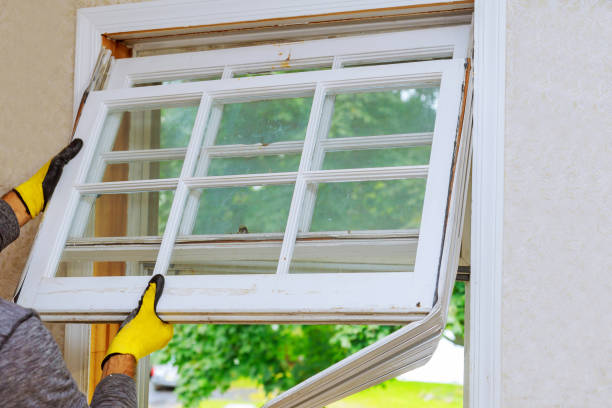
Slider Windows: Benefits, Drawbacks, and Ideal Uses in Modern Homes
Slider windows are a popular choice for modern homes due to their sleek design, ease of operation, and space-saving qualities. These windows slide horizontally along a track, making them an excellent option for homeowners seeking functionality and simplicity. Below, we’ll explore the benefits, potential drawbacks, and ideal scenarios where these windows can truly shine.
Benefits of Slider Windows
-
Ease of Operation
The sliding mechanism is straightforward. Without the need for complex cranks or hardware, these windows open and close smoothly with minimal effort. This makes them a practical option for individuals who prioritize convenience. -
Maximized Views
The large glass panes used in slider windows provide unobstructed views of the outdoors. They are ideal if your home has scenic landscapes or gardens you want to showcase. -
Energy Efficiency
Many modern slider windows feature double or triple-pane glass with insulating properties that reduce heat transfer. This helps maintain a consistent indoor temperature while lowering energy costs. -
Low Maintenance Design
Slider windows have fewer moving parts compared to other window styles (e.g., casement or awning). This reduces the likelihood of mechanical failure and simplifies upkeep over time. -
Space-Saving Feature
Since they operate by sliding horizontally rather than swinging outward or inward, slider windows are perfect for areas where space is limited.
Drawbacks to Consider
-
Limited Ventilation Control
Unlike double-hung or casement windows that can be adjusted incrementally from multiple angles, slider windows can only open halfway (one pane slides over the other). This limits how much fresh air you can let into your home at once. -
Cleaning Challenges
Cleaning certain areas—especially exterior panes—can be difficult if the window isn’t removable or easily accessible from outside. -
Durability Concerns Over Time
Over years of use, dirt and debris may accumulate in the tracks where the panels slide. If not regularly maintained, this build-up could affect smooth operation. -
Less Airtight Than Other Styles The sliding mechanism might not seal as tightly as hinged designs like casement or awning windows, which could result in slightly reduced insulation performance compared to those alternatives.
Ideal Uses for Slider Windows in Modern Homes
- Kitchens & Bathrooms: Their horizontal operation makes slider windows perfect above countertops or sinks where swinging sashes might get obstructed.
- Living Rooms & Bedrooms: Large sliding windows offer expansive views while allowing soft natural light into commonly used spaces.
- Basements: Due to their compact design and ease of opening/closing from lower positions, they are often an excellent solution for basement egress.
- Small Spaces: In tight rooms like hallways or laundry areas where traditional swing-out styles aren’t feasible due to space constraints.
| Feature | Benefit | Drawback |
|---|---|---|
| Operation | Smooth & simple | Tracks may collect dirt over time |
| Space Efficiency | Great for small rooms | Ventilation is somewhat limited |
| Aesthetic Appeal | Large glass panes enhance views | May not seal as tightly as others |
| Maintenance | Fewer parts = less wear | Exterior cleaning may be tricky |
Slider windows offer versatility and an elegant aesthetic suited to modern living spaces when chosen carefully based on your home’s unique needs and layout preferences. By understanding both their benefits and limitations upfront—and maintaining them properly—you can enjoy long-term functionality with this stylish window option in place.
Exploring Window Frame Materials to Complement Your Replacement Project
Selecting the right window frame material is a critical step in any window replacement project. The frame material not only affects the overall aesthetics of your home but also impacts energy efficiency, durability, and maintenance requirements. By understanding different types of window materials, you’ll be better equipped to make an informed decision that complements your home’s style and functionality.
Common Types of Window Frame Materials
- Advantages:
- Highly affordable compared to other materials.
- Low maintenance—resistant to rot, peeling, and warping.
- Excellent insulator for energy efficiency.
- Limited color options; painting is not recommended.
- May lack the aesthetic appeal of natural wood.
- Advantages:
- Timeless appearance that suits both traditional and modern homes.
- Excellent insulating properties for thermal performance.
- Can be painted or stained for customization.
- Prone to rotting, swelling, and cracking if not sealed properly.
- Requires regular maintenance such as painting or sealing.
- Advantages:
- Sleek, modern look suitable for contemporary architecture.
- Lightweight yet durable against wear and tear.
- Resistant to corrosion when properly treated.
- Poor insulator—may lead to heat loss or gain without a thermal break.
- Condensation can accumulate in colder climates.
- Advantages:
- Extremely durable with minimal expansion or contraction due to temperature changes.
- Energy-efficient with strong insulation properties.
- Can mimic the appearance of wood without the upkeep needs.
- Higher initial cost compared to vinyl or aluminum frames.
- Advantages:
- Made from a blend of materials (e.g., plastic resin and wood fibers), offering excellent strength.
- Highly energy-efficient due to superior insulation qualities.
- Minimal maintenance required while retaining visual appeal similar to wood.
Disadvantages:Pricey upfront construction investment
Planning Your Window Replacement with Confidence and Ease
Replacing windows in your home is a significant investment, and proper planning ensures that the process is seamless, efficient, and meets your expectations. From assessing your needs to selecting the right professionals, careful preparation can save you time, money, and unnecessary stress. Here’s how to plan your window replacement project with confidence.
Assess Your Needs and Goals
- Energy Efficiency: Are you looking to lower heating or cooling bills by installing energy-efficient windows?
- Aesthetic Appeal: Do you want to update the look of your home’s exterior or interior?
- Damage or Wear: Are your current windows drafty, broken, or difficult to operate?
- Functionality: Do you need specific features like enhanced ventilation or soundproofing?
Understanding these goals will help guide every decision from style selection to material choice.
Research Window Types and Styles
| Type | Pros | Ideal For |
|---|---|---|
| Double-Hung | Classic design; easy cleaning | Traditional homes |
| Casement | Excellent ventilation; tight seals for energy efficiency | Modern homes |
| Slider | Smooth operation; ideal for wide openings | Contemporary spaces |
| Picture | Maximizes views; non-operable | Rooms where natural light is key |
Consider how each style aligns with your home’s architectural design and functional needs.
Set a Budget
- Labor for installation.
- Customization fees (if required).
- Potential upgrades like energy-efficient coatings or triple-pane glass.
Choose the Right Materials
- Vinyl: Affordable and low-maintenance but limited in design versatility.
- Wood: Offers timeless beauty but requires regular upkeep.
- Aluminum: Strong yet lightweight but less insulating than other materials.
- Fiberglass: Durable and energy-efficient but tends to be more expensive.
Your choice should reflect both practical needs (e.g., climate considerations) and personal preferences.
Find Reputable Installers
- Request referrals from friends or family.
- Check online reviews on trusted platforms.
- Verify licenses, certifications, and insurance coverage.
- Get detailed quotes from multiple contractors for comparison.
A reputable installer will provide clear timelines, transparent pricing, and answer any questions about the installation process.
Prepare Your Home for Installation Day
- Move furniture away from windows being replaced.
- Remove curtains/blinds to provide access.
- Cover nearby surfaces with drop cloths to protect against dust or debris.
- Communicate with installers about access points or areas of concern in advance.
By organizing these details ahead of time, you’ll create an environment where installers can work efficiently while protecting your property.
Post-Installation Checklist
- Inspect all windows closely for proper operation.
- Confirm that seals are tight around frames without gaps or drafts.
- Test locks/security features on all units.
- Review warranty details provided by manufacturers/installers.
By staying proactive during this stage of the project, you can ensure long-term satisfaction with your investment.
Planning ahead not only helps avoid common pitfalls but also gives you peace of mind throughout every step of replacing your windows—making it easier to enjoy all the benefits they bring for years to come!
More Window Replacement and Installation Guides
- Understanding the Signs and Benefits of Window Replacement in Rockville, MD
- Window Installation Rockville, MD: Everything You Need to Know for a Perfect Fit
- Before and After Checklist for a Successful Windows Rockville, MD Installation
- Essential Guide to Window Installation Rockville, MD: What Homeowners Need to Know
- Step-by-Step Guide to Window Replacement Rockville, MD Process
- Signs You Need Replacement Windows Rockville, MD