Windows play a crucial role in the comfort, efficiency, and overall aesthetic of your home. Over time, windows can deteriorate or become outdated, impacting both your home’s value and your day-to-day living experience. Recognizing when it’s time to replace them can save you money and improve your quality of life. Let’s explore the key signs you need window replacements as well as the benefits they provide.
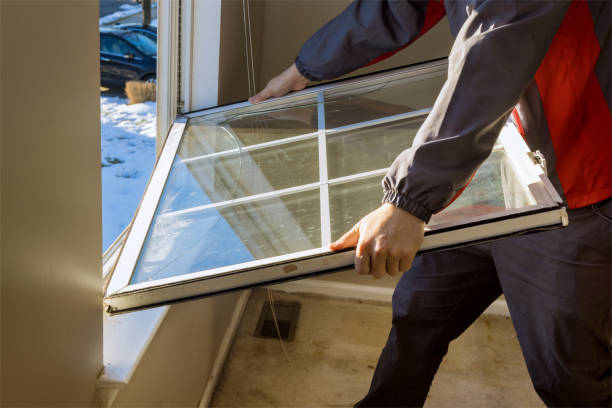
When to Consider Window Replacement Rockville, MD Homes Need
- Drafts or Air Leaks: If you feel a draft even when your windows are closed, it means they’re no longer sealing properly.
- Rising Energy Bills: Old or inefficient windows can let heat escape in winter and allow hot air in during summer, forcing your HVAC system to work harder.
- Visible Damage or Decay: Cracks in glass panes, rotting window frames, or condensation between glass layers are signs of aging.
- Difficulty Opening/Closing: Windows that stick or don’t stay open easily may indicate wear-and-tear on mechanisms or warped frames.
- Outside Noise Infiltration: Poor soundproofing could mean your windows lack proper insulation technology.
Top Benefits of Window Installation Rockville, MD Residents Should Know
1. Improved Energy Efficiency
Modern replacement windows often feature advanced materials like double- or triple-pane glass with low-emissivity (Low-E) coatings and gas fills (e.g., argon). These technologies help reduce heat transfer, keeping your home comfortable year-round while lowering energy consumption.
When comparing replacement windows, check the exact product’s certification for your climate zone rather than relying on its frame material or number of panes alone. ENERGY STAR’s guide to energy-efficient windows explains how to find certified products and review climate-zone and installation considerations. Use that information alongside the installer’s product specifications before making a selection.
2. Enhanced Curb Appeal
New windows come in a variety of frame materials, colors, and finishes that can elevate the appearance of any home. Whether you’re going for a classic look with wood frames or a sleek modern design with vinyl or aluminum options, new windows can refresh the entire exterior.
3. Increased Home Value
Upgraded windows are a highly sought-after feature for potential buyers. According to industry data, homeowners often recoup a significant portion of their investment through increased property value when selling their home.
4. Better Comfort
Replacing drafty old windows reduces temperature fluctuations and prevents cold spots near window areas during winter months.
5. Noise Reduction
Modern window designs offer improved noise insulation thanks to their multi-pane construction and better seals—ideal if you live near busy streets or noisy neighborhoods.
Comparison Table: Old vs New Replacement Windows Rockville, MD
| Feature | Old Windows | Modern Replacement Windows |
|---|---|---|
| Energy Efficiency | Single pane; poor insulation | Double/triple pane; Low-E coatings |
| Maintenance | Frequent painting/repairs needed | Low maintenance materials |
| Noise Reduction | Minimal soundproofing | Superior sound insulation |
| Durability | Prone to warping/rotting over time | Longer-lasting materials |
Wrapping Up: Expert Window Repair Rockville, MD Services
Recognizing when it’s time to replace old windows is not always straightforward but crucial for maintaining both comfort and efficiency in your home. Beyond addressing drafts or rising energy bills, replacement windows provide long-term savings while enhancing aesthetics and increasing property value—a win-win situation for any homeowner looking toward future sustainability and comfort improvements at home.
Discover the Benefits of Window Glass Replacement Rockville, MD: Save Money and Upgrade Your Home
Old windows may seem like a minor concern, but their impact on your home’s energy efficiency, comfort, and overall costs can be significant. Many homeowners are unaware of how outdated windows gradually add to monthly expenses and decrease property value. Below, we break down the hidden costs associated with old windows and how replacing them now can lead to substantial savings.
1. Increased Energy Bills
One of the most immediate effects of old windows is poor energy efficiency. Single-pane or damaged double-pane windows often allow drafts to enter your home while letting conditioned air escape. This forces your HVAC system to work harder to maintain a consistent temperature, driving up energy bills.
Key reasons for higher energy bills include: – Poor insulation due to outdated window materials. – Drafty seals that allow air leaks. – Inefficient glass that doesn’t reflect heat or block UV rays.
Replacing old windows with energy-efficient models—such as those with double or triple panes, low-E coatings, or gas-filled options—can reduce heating and cooling costs by as much as 25-30%.
2. Maintenance Expenses
Older windows often require constant upkeep to remain functional and visually appealing. Wooden frames may need frequent painting or sealing due to weather exposure, while older hardware might require replacement due to wear and tear.
Common maintenance costs associated with older windows include: – Re-sealing gaps in window frames. – Repairing cracked glass. – Repainting wooden frames every few years.
Opting for modern vinyl or fiberglass replacement windows eliminates many of these upkeep tasks, offering a low-maintenance solution that saves time and money over the long term.
3. Decreased Home Comfort
Old windows contribute to uncomfortable indoor conditions, from drafty winters to overheated summers. They may also fail to block external noise effectively, leading to disruptions in daily life.
Signs your old windows are compromising comfort: – Noticeable cold drafts near window areas during winter. – Overheated rooms exposed to direct sunlight in summer. – Increased noise from traffic or neighbors.
Modern replacement windows improve insulation and soundproofing, creating a quieter and more comfortable living environment for you and your family.
4. Lower Property Value
Potential buyers today place high value on energy-efficient homes with modern features. Old, inefficient windows can significantly decrease the perceived worth of your property during resale negotiations.
A report by Remodeling Magazine suggests that homeowners can recoup up to 68% of their investment in replacement windows when selling their home because they are seen as both practical upgrades and aesthetic improvements.
5. Hidden Costs from Moisture Damage
Older windows with failing seals or rotting frames can let moisture seep into your home’s structure over time. This leads to issues such as mold growth, warped walls, damaged flooring, or even structural rot—all of which require costly repairs.
Factors contributing to moisture damage include: – Condensation buildup between glass panes. – Leaky seals around the frame perimeter. – Rot-prone materials such as untreated wood.
By installing new weather-resistant replacement models with advanced sealing technology, you can protect against expensive water damage repairs down the road.
| Cost Type | Impact of Old Windows | Benefit of Replacement Windows |
|---|---|---|
| Energy Bills | Higher heating/cooling costs | Reduces utility expenses by up to 30%. |
| Maintenance | Frequent repairs/upkeep | Minimal maintenance required |
| Comfort & Noise | Drafts; poor soundproofing | Enhanced thermal & acoustic insulation |
| Resale Value | Decreased property value | Boosts home appeal during resale |
| Moisture/Structural Damage | Risk of costly repairs | Protects against leaks & rot |
Replacing older windows is an investment that not only enhances the functionality and appearance of your home but also prevents long-term financial losses commonly associated with aging fixtures. Investing now ensures immediate cost savings while boosting overall property value for years ahead.
The Hidden Costs of Old Windows: Why Replacing Them Now Could Save You Thousands
Old, inefficient windows can significantly impact your home’s energy efficiency, comfort, and overall value. While the upfront cost of replacing windows might seem daunting, understanding the hidden expenses associated with outdated windows reveals why upgrading them is a smart financial decision. Below, we’ll explore the less obvious costs of old windows and how replacing them now can lead to long-term savings.
1. Increased Energy Bills
Older windows often lack proper insulation and can develop leaks or cracks over time. These issues allow drafts to penetrate your home, forcing your HVAC system to work harder to maintain a consistent indoor temperature. This inefficiency directly impacts your monthly utility bills.
- Single-pane glass is particularly inefficient compared to modern double or triple-pane options with insulating gas layers.
- Drafty frames made from materials like wood that expand and contract contribute to air leakage.
- Energy loss statistics: According to the U.S. Department of Energy, heat gain and loss through windows account for 25–30% of residential heating and cooling energy use.
Replacing old windows with energy-efficient ones—such as those certified by ENERGY STAR—can reduce energy bills by up to 12%, depending on your climate and window quality.
2. Frequent Maintenance Costs
- Wood rot: Wooden frames are prone to rotting if not properly maintained, leading to costly repairs or replacement.
- Repainting: Older window frames frequently require repainting or refinishing due to peeling paint caused by weather exposure.
- Hardware repairs: Worn-out locks, hinges, seals, or cranks may need regular fixing for safety and usability.
Modern replacement windows made from materials like vinyl or fiberglass are virtually maintenance-free and highly durable.
3. Increased Risk of Damage
| Risk | Explanation | Cost Implications |
|---|---|---|
| Water Intrusion | Poor seals allow water leaks that damage walls, floors, or insulation. | Potential repair expenses for structural damage. |
| Mold Growth | Trapped moisture fosters mold growth inside window frames. | Health risks + costs for professional remediation. |
| Reduced Security | Weak glass or damaged locks compromise safety from break-ins. | Home insurance premiums could rise after incidents. |
Investing in modern windows with advanced sealing technology reduces these risks significantly.
4. Lower Property Value
- Houses with upgraded energy-efficient features tend to sell faster at higher prices.
- Newer windows improve curb appeal by giving your home a clean and updated appearance.
By replacing old windows now instead of waiting until you sell your house, you increase its market competitiveness and avoid rushed renovations later on.
5. Environmental Impact
- Modern glass technologies like Low-E (low-emissivity) coatings reduce heat transfer while letting natural light in.
- Improved insulation translates into reduced energy consumption overall.
Opting for eco-friendly window options ensures both long-term savings on utilities and environmental sustainability.
Final Thoughts
Replacing outdated windows isn’t just about aesthetics—it’s an investment that protects against hidden costs such as rising utility bills, frequent maintenance expenses, structural damages caused by inefficiencies, lowered property value, and environmental impact concerns. By choosing high-quality replacements now rather than waiting for issues to escalate further down the line means saving money—and headaches—in the years ahead while enhancing comfort at home today.
Watch: How Windows Affect Daylight and Comfort
This U.S. Department of Energy video explains how window design and placement influence natural light and indoor comfort.
The Importance of a Proper Window Installation: Ensuring Long-Term Performance
When it comes to upgrading your home’s windows, the importance of professional installation cannot be overstated. Even the highest-quality windows can underperform if they are not installed correctly. Proper window installation ensures durability, energy efficiency, and overall functionality, saving you money and preventing future problems. Below, we explore why professional installation matters and what it entails.
Why Proper Installation is Crucial
-
Energy Efficiency
Poorly installed windows can result in air leaks, which compromise your home’s energy efficiency by allowing drafts to enter and conditioned air to escape. This undermines the performance of even the most energy-efficient window models, leading to higher heating and cooling costs. -
Performance and Longevity
Windows that are improperly installed are more likely to develop issues such as cracks, warping, or difficulty in opening and closing over time. A proper installation maximizes the lifespan of your investment by ensuring all components function as intended. -
Moisture Prevention
Incorrectly sealed windows can allow water infiltration during rain or snow. Over time, this may cause damage to walls, insulation, or even lead to mold growth—problems that can be costly to remedy. -
Enhanced Security
Windows that are not securely fastened may become a weak point in home security. Correct installation ensures that locking mechanisms function properly and frames remain stable.
Steps Involved in Proper Window Installation
- Assessment and Preparation: The existing window frame is inspected for structural integrity or damage before prepping for replacement.
- Accurate Measurements: Precise measurements are taken to ensure the new windows fit perfectly without gaps.
- Frame Alignment: Installers carefully align frames during placement so they sit level and square in their openings.
- Sealing: High-quality caulking or other sealants are applied around the frame edges to eliminate gaps that could let air or moisture pass through.
- Testing Operation: After installation, professionals will confirm that each window opens easily, closes firmly, locks securely, and seals tightly against drafts.
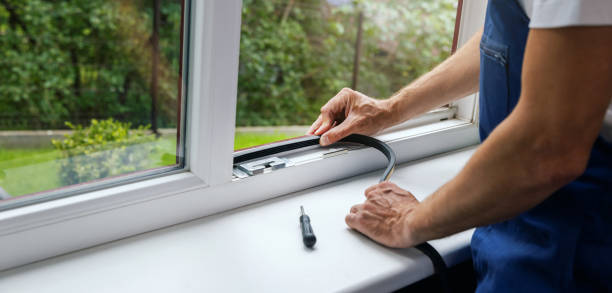
DIY vs Professional Installation
| Aspects | DIY Approach | Professional Installation |
|---|---|---|
| Knowledge & Tools | Requires advanced skills & tools | Professionals have expertise & equipment |
| Risk of Errors | High potential for improper fit | Minimized errors with experience |
| Warranty Coverage | May void product warranties | Warranties often tied to pro installs |
Choosing professional installers not only ensures quality craftsmanship but also protects any warranties associated with your new windows.
Tips for Selecting a Qualified Installer
- Verify credentials such as licensing or certifications.
- Check reviews or request recommendations from friends/family.
- Confirm warranty details regarding workmanship.
- Obtain multiple quotes for transparency on pricing.
Investing in proper window installation is essential for optimizing comfort and efficiency while avoiding problems down the road. By partnering with experienced professionals who adhere to industry best practices, homeowners can enjoy all the benefits their new windows offer without unnecessary stress or additional expenses later on.
Top 7 Questions Homeowners Ask About Window Replacements and Their Answers
When considering window replacements, homeowners often have a range of questions about the process, costs, and benefits. Below are some of the most common questions asked by homeowners, along with detailed answers to provide clarity and guidance.
1. How Do I Know If My Windows Need to Be Replaced?
- Drafts or Poor Insulation: If you feel cold air leaking through your windows during winter or warm air in summer, it indicates poor insulation.
- Visible Damage: Cracked glass, rotting frames, or warped sashes are clear signs replacement is overdue.
- Difficulty Operating Windows: Struggling to open or close windows due to warping or mechanical failure can be a red flag.
- High Energy Bills: Older windows that are not energy-efficient can significantly increase heating and cooling costs.
- Condensation Between Glass Panes: Moisture trapped between double-pane windows suggests seal failure.
2. What Types of Replacement Windows Are Available?
| Window Type | Features | Best For |
|---|---|---|
| Single-Hung/Double-Hung | Traditional design; easy operation | Classic homes |
| Casement | Hinged on one side; opens outward | Maximum ventilation |
| Sliding | Moves horizontally on tracks | Large horizontal openings |
| Bay/Bow | Multi-panel designs extending outward | Aesthetic appeal and added space |
| Picture | Fixed window; provides unobstructed views | Scenic locations |
Materials: Common options include vinyl (cost-effective), wood (aesthetic appeal), fiberglass (durability), and aluminum (modern look).
3. Are Replacement Windows Energy-Efficient?
- Low-E Coatings: Reflect heat while allowing natural light into your home.
- Double or Triple Pane Glass: Reduces energy loss by trapping inert gas between panes for insulation.
- Energy Star Certification: Indicates compliance with rigorous efficiency standards.
4. What Is the Typical Cost of Replacing Windows?
- Vinyl replacements: $300–$700 per window
- Wood replacements: $600–$1,200 per window
Labor costs typically account for $100–$250 per installation.
For a more accurate estimate, request quotes from local contractors tailored to your project’s scope.
5. How Long Does Window Installation Take?
- For standard-sized homes with pre-fabricated windows, installation often takes 1–2 days.
- Custom-designed or large projects may require additional time due to fabrication and adjustments.
6. What Maintenance Do New Windows Require?
- Vinyl Windows: Low maintenance; only needs occasional cleaning with mild soap and water.
- Wood Frames: Require regular sealing/painting to prevent rot and weathering.
- Aluminum Frames: Periodic cleaning to remove dirt/dust buildup.
Inspect seals yearly for wear-and-tear regardless of material type.
7. Will Replacing My Windows Increase My Home’s Value?
- Enhanced curb appeal improves buyer perception.
- Energy-efficient upgrades attract eco-conscious buyers.
- Many sellers recoup approximately 70%-80% of their investment via increased resale prices.
Investing in high-quality replacement windows is an excellent way to improve overall home functionality while adding tangible market value over time.
By addressing these key homeowner concerns effectively—and understanding the benefits associated—you’ll be well-prepared when it’s time to upgrade outdated windows in your living space responsibly.
More Window Replacement and Installation Guides
- Essential Guide to Window Installation Rockville, MD: What Homeowners Need to Know
- Finding the Best Window Replacement Rockville, MD: Types and Tips for Your Home
- Step-by-Step Guide to Window Replacement Rockville, MD Process
- Signs You Need Replacement Windows Rockville, MD
- Window Installation Rockville, MD: Everything You Need to Know for a Perfect Fit
- Before and After Checklist for a Successful Windows Rockville, MD Installation